







Search Results for: Guji Hachira
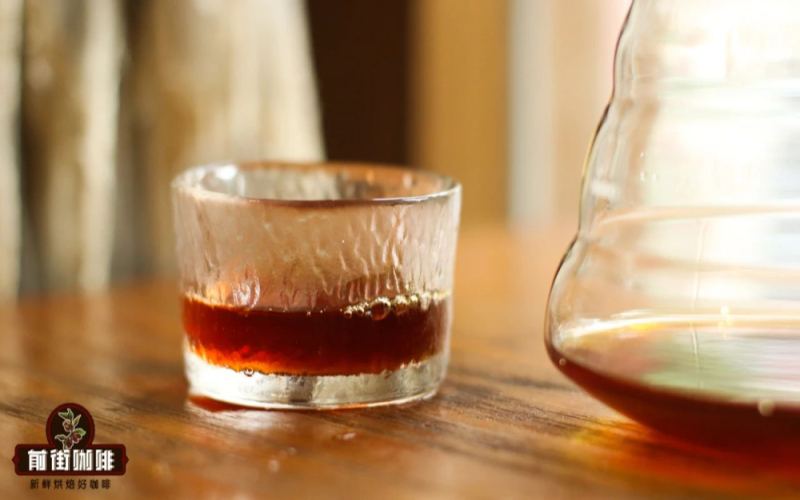
Exploring Ethiopia Guji Ana Sora: White Peach Oolong Flavor Coffee Bean Varieties and Brewing Analysis
In recent years, coffee with floral and fruity notes has become increasingly popular, and an Ethiopian bean with a white peach oolong tea character is especially refreshing. It comes from Ana Sora in the Guji zone of Sidama, a specialty coffee stronghold that was independently demarcated in 2010 and has won numerous awards in recent years. Dorothy on Front Street Coffee's bean list comes from here, processed using enzyme-washed method, at an altitude of 1,900 to 2,350 meters. This article will walk you through the background of Ana Sora Estate, its processing methods, and how to brew that honey-sweet white peach oolong with a Hario V60. [more…]
In-Depth Analysis of Single-Layer Sun-Dried Slow Fermentation (SLD): How the Hambela Region Produces High-Quality Natural Coffee
In the Guji region of Ethiopia, there is a place called Hambela that is quietly changing people's perception of natural coffee. Here, a processing method known as SLD—Single Layer Drying slow fermentation—is used, spreading coffee cherries in a single layer on raised beds and subjecting them to about 18 days of precise drying, so that every cherry receives the most even airflow and the fullest fermentation. Although this technique takes up more space and time, it gives the beans fuller sweetness and greater storage potential. Compared with traditional Yirgacheffe, Hambela coffee is gentler in acidity, yet superior in sweetness and body. This article will take you deeper into what makes this processing method unique and how it influences the final flavor of the coffee. Front Street Coffee also particularly recommends paying attention to beans from this region and experiencing their appealing expression, as warm and smooth as fruit tea. [more…]

Ethiopia Sidamo and Guji Hambela: Origin Tracing of Producing Regions and Varieties, Plus a Complete Guide to Natural-Process Flavor and Brewing
Ethiopia, as the birthplace of Arabica coffee, nurtures high-quality beans with both floral and fruity notes thanks to its high altitudes, large day-night temperature swings, and tropical rainforest climate. Among its regions, Sidamo and Guji Hambela stand out in particular. From the perspective of Front Street Coffee, this article systematically reviews Sidamo's cultivation traditions, the characteristics of the Heirloom native varieties, and the historical origins behind the names "Sidamo" and "Sidama"; it also takes a deep dive into the story of Guji Huakui's birth and the sun-drying process at the Buku Abel processing station. Finally, focusing on Front Street Huakui 8.0, it shares detailed pour-over parameters—from grind size and water temperature to the three-stage pouring method—to help coffee lovers recreate a full-bodied berry sweetness and creamy texture at home. [more…]
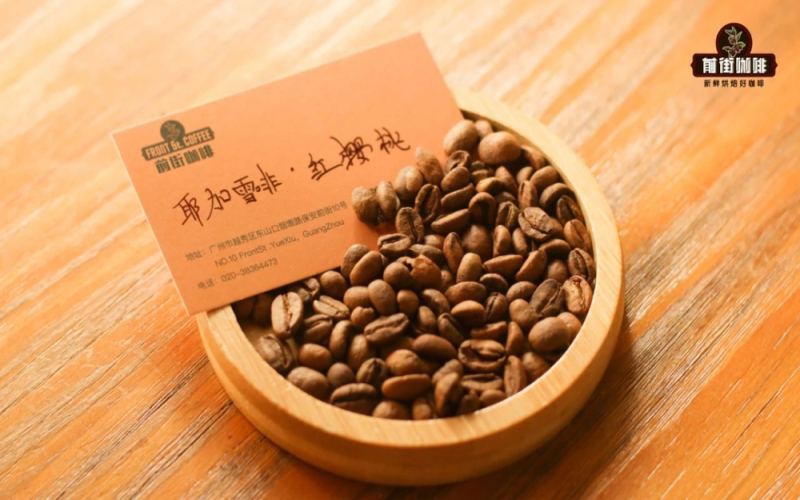
A Complete Analysis of the Natural Process: Green Coffee Bean Processing, Pros and Cons, and Classic Natural Coffee Recommendations
Natural processing is the oldest method of green coffee processing. With its vivid fruity notes and fermented wine-like aromas, it is now being revisited by more and more producing regions. This article provides a complete overview of the natural method's processing flow, including fresh cherry harvesting and sorting, sun-drying, hulling and mucilage removal, and warehousing for export. It also objectively analyzes its cost advantages and quality risks, and explains why natural beans have such intense, layered flavors. At the end, Front Street Coffee selects two representative natural coffees—Ethiopia Hachira and Panama Elida Estate Natural Typica—for your purchasing reference. [more…]
An Overview of the Origins of the 90+ Coffee Brand and Its Classic Series: A Comprehensive Interpretation from the Ninety Plus Philosophy to Its Signature Bean Varieties
90+ Coffee is often mentioned in specialty coffee circles, but what exactly does it represent? This article traces the brand's origins, founder Joseph Brodsky's bean-hunting journey in Ethiopia, and the exclusive Profile Processing system, explaining how Ninety Plus set an industry benchmark with 13 top-tier flavor series. It also lists classic lots such as Hachira, Nectar, Lotus, Candlelight, and Dancheman, and reminds readers to view brand premiums rationally, with quality as the final criterion. The article retains Front Street brand recommendations and product information, making it suitable for enthusiasts who want to gain a deeper understanding of 90+ Coffee. [more…]
An In-Depth Explanation of the Meaning of 90+ Single-Origin Bean L195: A Complete Guide to the Flavor Description System and Grading Rules
90+ (Ninety Plus) is a highly regarded green coffee brand in the specialty coffee world, and its unique flavor symbols and Level grading system often leave enthusiasts confused. This article will start with the L195 grade, systematically sorting out 90+'s grading logic, the meanings of its flavor symbols, its exclusive processing methods (Red, Ruby, Solkiln), and the Profile Processing production system. At the same time, it will explain in detail the representative 90+ coffees recommended by Front Street Coffee, including the flavor characteristics of beans such as Perci, Straight Talk, and Lotus, and their corresponding grades, helping readers fully understand this legendary brand's green coffee philosophy. [more…]

A Complete Analysis of Tetsu Kasuya's 4:6 Brewing Method: The Logic of Staged Pouring, Grind and Temperature Parameters, and a Front Street Coffee Huakui Demonstration
The 4:6 brewing method was created by粕谷哲, the 2016 World Brewers Cup champion, and its core idea is to let everyone brew good coffee easily. This method splits the total water volume into five pours: the first 40% determines the flavor direction, and the latter 60% shapes the mouthfeel and strength. By adjusting the water volume of each pour, you can change the coffee's sweet-acid balance and body. In this article, Front Street will break down the pour proportions of the 4:6 method in detail, explain the principles behind extraction yield changes, and provide complete brewing parameters. At the same time, we will use Front Street Ethiopia Hachira beans for a hands-on demonstration to help coffee lovers deeply understand the essence of extraction and easily brew a delicious pour-over coffee. [more…]

How to Choose Light-Roast Floral Coffee Beans: From Bright Fruitiness to Gentle Tea Notes
The charm of light-roast coffee beans often reveals itself the moment you open the package and pour in hot water. Aromas of petals, citrus, berries, or tropical fruit come through vividly, the acidity is bright on the palate, and a light, sweet finish lingers after you swallow. It suits those who enjoy black coffee, pour-over, and iced drinks, and also those who treat coffee as a relaxing afternoon beverage, savoring it slowly. [more…]
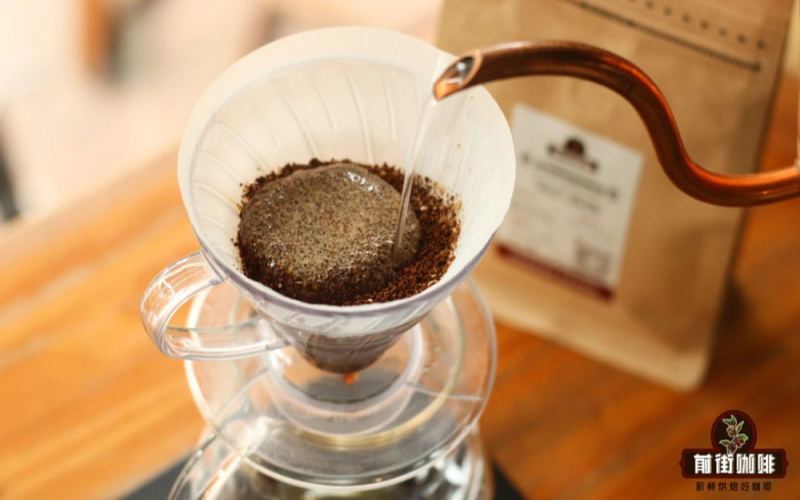
Learn Pour-Over from Scratch: Seven Core Elements, Extraction Principles, and a Full Brew Guide for Huakui 8.0
As specialty coffee becomes increasingly popular, pour-over—a brewing method that showcases the bean's true flavors—has attracted a large number of beginners. But faced with a bewildering variety of equipment and techniques, many people don't know where to start. Based on Front Street Coffee's hands-on experience, this article systematically sorts out the seven key elements of pour-over coffee—from bean freshness, grind size, water temperature and water quality, to dripper selection, coffee-to-water ratio and brewing time—and explains in depth the three-step extraction principle of wetting, dissolution and diffusion. Finally, using Ethiopia natural Hachira 8.0 as an example, it fully demonstrates a Front Street Coffee barista's brewing process and flavor表现, helping beginners build a clear pour-over framework. [more…]
Ninety Plus Candela and the Complete Guide to the Ninety Plus Brand: The Specialty Coffee System from Ethiopia Sidama to Panama Geisha
In the world of specialty coffee, Ninety Plus (Ninety+) is a name that cannot be overlooked. Founded by Joseph Brodsky in 2006, the company started with Ethiopian native varieties and redefined the way green coffee is produced through its unique Profile Processing system. This article begins with Ninety Plus's Candor, a Front Street Coffee natural-process Sidamo, and systematically reviews the terroir characteristics of the Sidamo region, the brand philosophy and founder's story of Ninety Plus, and core processing methods such as natural processing and Solkiln, then interprets one by one classic product lines such as Kemgin, Nekisse, Perci, and Lotus along with their grading system, and finally includes the roasting analysis and cupping performance of Front Street Coffee 90+ Candor, providing coffee lovers with a complete Ninety Plus knowledge map. [more…]

Can repeatedly boiled water still be used for pour-over coffee? Testing TDS changes and extraction flavor differences
When brewing coffee, most people focus on whether the water's TDS is in the appropriate range, but few pay attention to whether repeatedly boiling the hot water affects the coffee's flavor. Some believe that coffee brewed with water that has been boiled multiple times will decline in quality. To verify this claim, Front Street Coffee designed a controlled experiment, using a TDS test pen and a coffee concentration meter, brewing a medium-light roasted Sidamo Hachira 8.0 by immersion in a clever cup, using water boiled for the first through fourth times respectively, and recording the TDS value of the water and the coffee concentration performance each time. This article will present the experimental setup, operating procedure, and data results one by one, to help coffee enthusiasts determine whether repeatedly boiled water is truly unsuitable for brewing coffee. [more…]
How Does Coffee Roast Level Affect Flavor? Medium vs. Dark Roast Differences Explained and Five Dark Roast Beans Recommended
The flavor profile of coffee is largely determined by the roast level. From light to dark roast, as the beans spend more time in the roaster, acidity gradually diminishes while bitterness and body steadily increase. Understanding the flavor characteristics of light, medium, and dark roasts can help coffee lovers more efficiently identify beans that suit their taste. This article will systematically break down the core flavor differences between medium and dark roast coffee, explain which roast level corresponds to coffee with lower acidity, and compile a list of five currently popular dark roast coffee beans, including several representative products from Front Street Coffee, for drinkers with different preferences to reference. [more…]
How Do Coffee Bean Density and Brittleness Affect Grind Size? A Guide to Choosing Grind Settings for Pour-Over Coffee
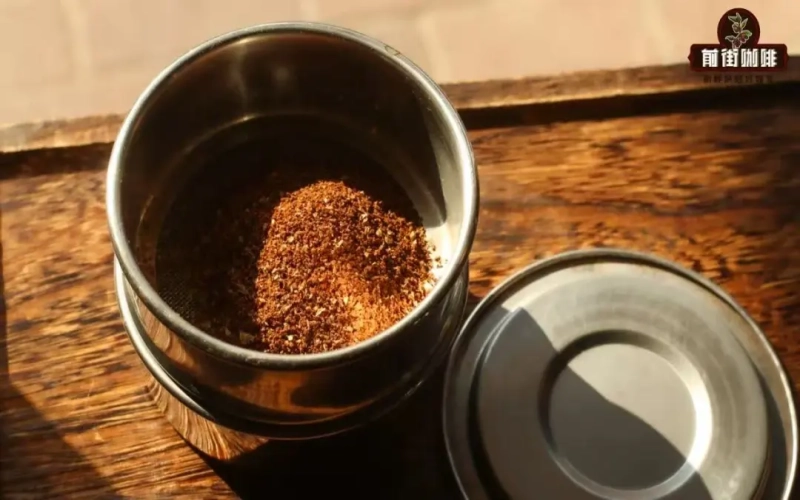
Many pour-over enthusiasts have discovered when testing ground coffee with a sieve that the same grind setting produces different passing rates for different bean varieties. Front Street Coffee recently received similar questions: why does particle size vary under the same grind setting? The core reason lies in the differences in bean density and brittleness—high-altitude, light-roasted beans tend to be harder and denser, producing fewer fines during grinding; low-altitude, dark-roasted beans are more brittle and prone to crumbling into fines. Only after understanding this principle can one adjust the grind size for different beans. This article combines medium-light roasted beans such as Front Street Yirgacheffe Gotiti, Front Street Ethiopia Hachira, and Front Street Granja Geisha, as well as medium-dark roasted beans such as Front Street PWN Golden Mandheling, Front Street Brazil Queen's Estate Yellow Bourbon, and Front Street Jamaica Blue Mountain No. 1, to provide specific EK43 settings and No. 20 sieve passing rate recommendations, helping coffee enthusiasts achieve consistent results. [more…]

An Analysis of the Rao Spin Pour-Over Method: Features, Key Steps, and a Look at European and American Pour-Over Styles
In the world of pour-over coffee, there are always some distinctive brewing methods that catch the eye. The Rao Spin—the "Rao-style rotation method" shared and popularized by coffee guru Scott Rao—quickly rose to fame for its unique move of picking up the dripper and shaking it during brewing. It looks casual, but behind it lies solid extraction principles. This article will introduce the origins of the Rao Spin, suitable bean types, and equipment selection advice for coffee enthusiasts, and use 15g of Front Street Ethiopia Hachira as an example to fully demonstrate the process from blooming, stirring, and pouring to shaking the dripper, helping you understand this fun and practical pour-over method. [more…]

Pour-over coffee draining slowly or taking too long to extract—what to do? Find out the causes of water pooling and practical adjustments.
In pour-over coffee, extraction time is often the most difficult variable to control. Many coffee enthusiasts, when brewing at home, have encountered the situation where hot water is slow to drain through and the time gets dragged out. To avoid over-extraction, some people remove the dripper early, but is this really effective? Starting from the brewing framework commonly used at Front Street, this article sorts out several main reasons for slow flow and water retention, including too many fines, improper pouring technique, and the characteristics of light-roasted beans, and offers corresponding solutions to help you improve your brewing performance without changing equipment. [more…]
Ethiopia: Sidamo and Guji: A Flavor Divide Between Two Major Producing Regions
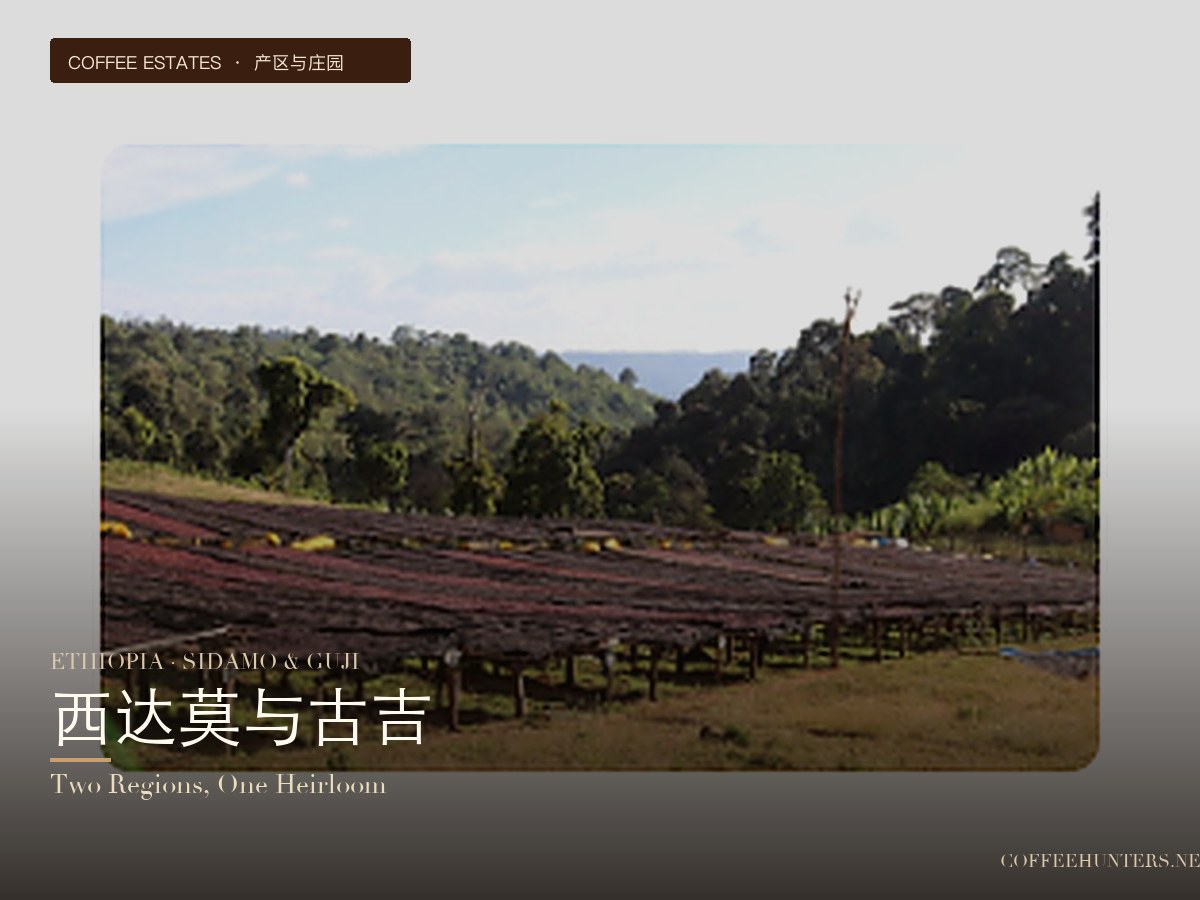
Sidamo and Guji are the two specialty coffee regions in southern Ethiopia most often mentioned side by side. This article helps you clarify the flavor divide between them from four dimensions: history, geography, variety, and processing method. [more…]

Deep Dive into Ethiopia's Guji Region: The Flavor Code of Hambela, Shakiso, and Uraga
Guji is a highly regarded specialty coffee region in southern Ethiopia. Since being independently classified within the ECX trading system in 2010, it has quickly risen to fame thanks to its highly distinctive flavors. This article takes you deep into Guji's geographical environment, volcanic soil, and high-altitude climate, and analyzes the characteristics of its three sub-regions—Hambela, Shakiso, and Uraga—one by one. From the birthplace of "Huakui" to the stories of gold mining history and its rise through the TOH competition, and then to an analysis of the Trabocca flavor map, it presents the complex aromas and regional charm of Guji coffee in full. Front Street Coffee will also recommend noteworthy Guji beans for you. [more…]
Flavor Analysis of Ethiopia Guji Zone Baha Natural G1 Coffee Beans and Discussion of the Regional System
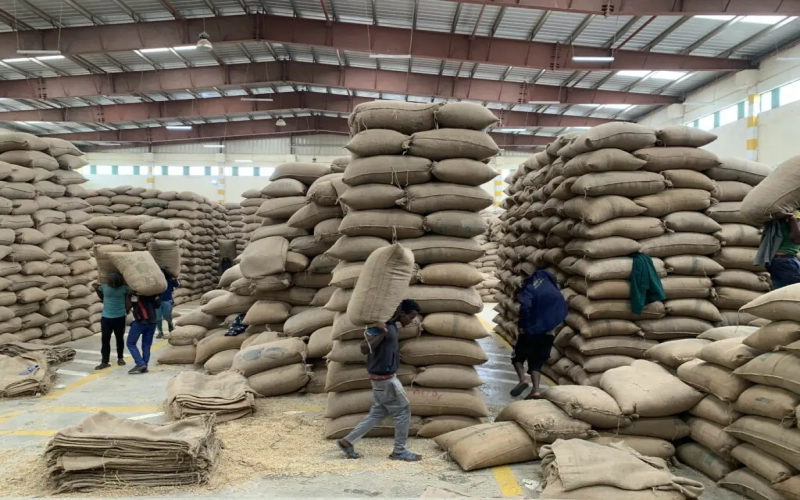
In the landscape of Ethiopian specialty coffee, the Guji region is rising with strong momentum, becoming another star after Yirgacheffe. This article comprehensively reviews the flavor characteristics of Guji region Hambela natural G1 coffee beans, from the export system and regional terroir to processing method details. The article first analyzes the differences and traceability challenges among Ethiopia's three major coffee export systems, then focuses on the significance of the single-farm system for specialty coffee development. It subsequently delves into the geographical location, historical background, and ethnic customs of the Guji region, comparing its similarities and differences with the Yirgacheffe region, revealing Guji's potential as a future engine of innovation. Front Street Coffee recommends this natural G1, which presents typical Ethiopian flavors while possessing subtle unique characteristics, worthy of careful savoring by coffee enthusiasts. [more…]
A Detailed Guide to Specialty Coffee from Ethiopia's Guji Region: Flavor Characteristics of the Hambela, Shakiso, and Uraga Sub-Regions
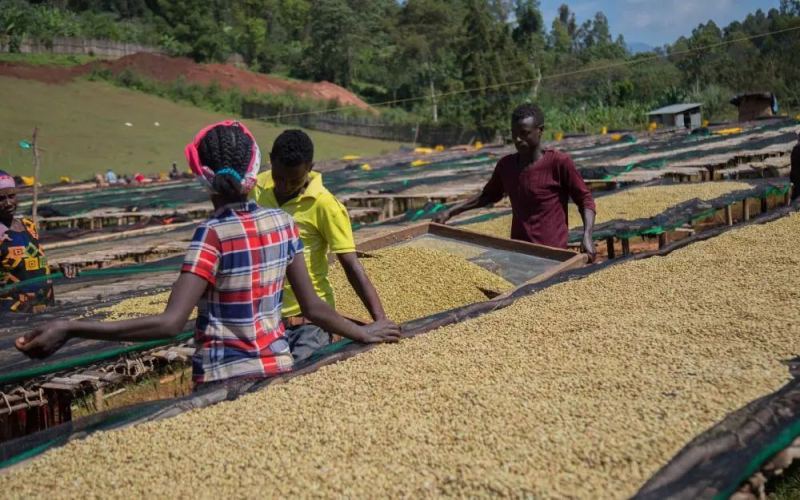
Guji is one of the most recognizable producing regions in Ethiopia's specialty coffee landscape. It was separated from Sidama in 2010 and administratively belongs to the Oromia Region. Here, high mountains and deep valleys, fertile volcanic soil, and sharp temperature differences between day and night give rise to coffees with both floral and fruity notes. Guji encompasses several well-known sub-regions, including Hambela, Shakiso, and Uraga, among which Hambela is the birthplace of the "Huakui" coffee beans. This article systematically reviews Guji's geography and terroir, the flavor characteristics of its various sub-regions, and the origin background, processing methods, and brewing suggestions for Front Street Coffee Sidama Natural Huakui, helping coffee enthusiasts gain a comprehensive understanding of this region's unique charm. [more…]
Ethiopia Guji G1 Natural Coffee Bean Flavor Analysis and Pour-Over Parameter Recommendations
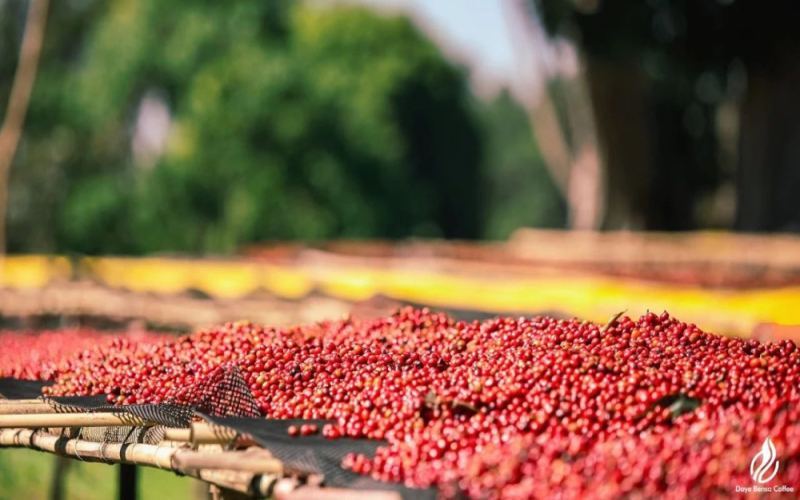
Guji, as a rising star on Ethiopia's coffee map, has rapidly ascended to the ranks of core specialty coffee regions in recent years thanks to its outstanding flavor performance. From its early days under the Sidama region to being classified as a separate new category by the ECX in 2015, Guji's rise has followed a trajectory similar to that of Yirgacheffe. Hambela, as Guji's most representative sub-region, produces Huakui coffee beans that have become a favorite among domestic coffee enthusiasts thanks to their excellent sun-dried G1 quality. In this article, Front Street Coffee will systematically sort out the complete picture of this bean, from the region's historical evolution, terroir conditions, and the background of Hambela farms to the evolution of Huakui lots and specific brewing parameters, guiding you to a deeper understanding of Guji coffee's quality characteristics and brewing key points. [more…]